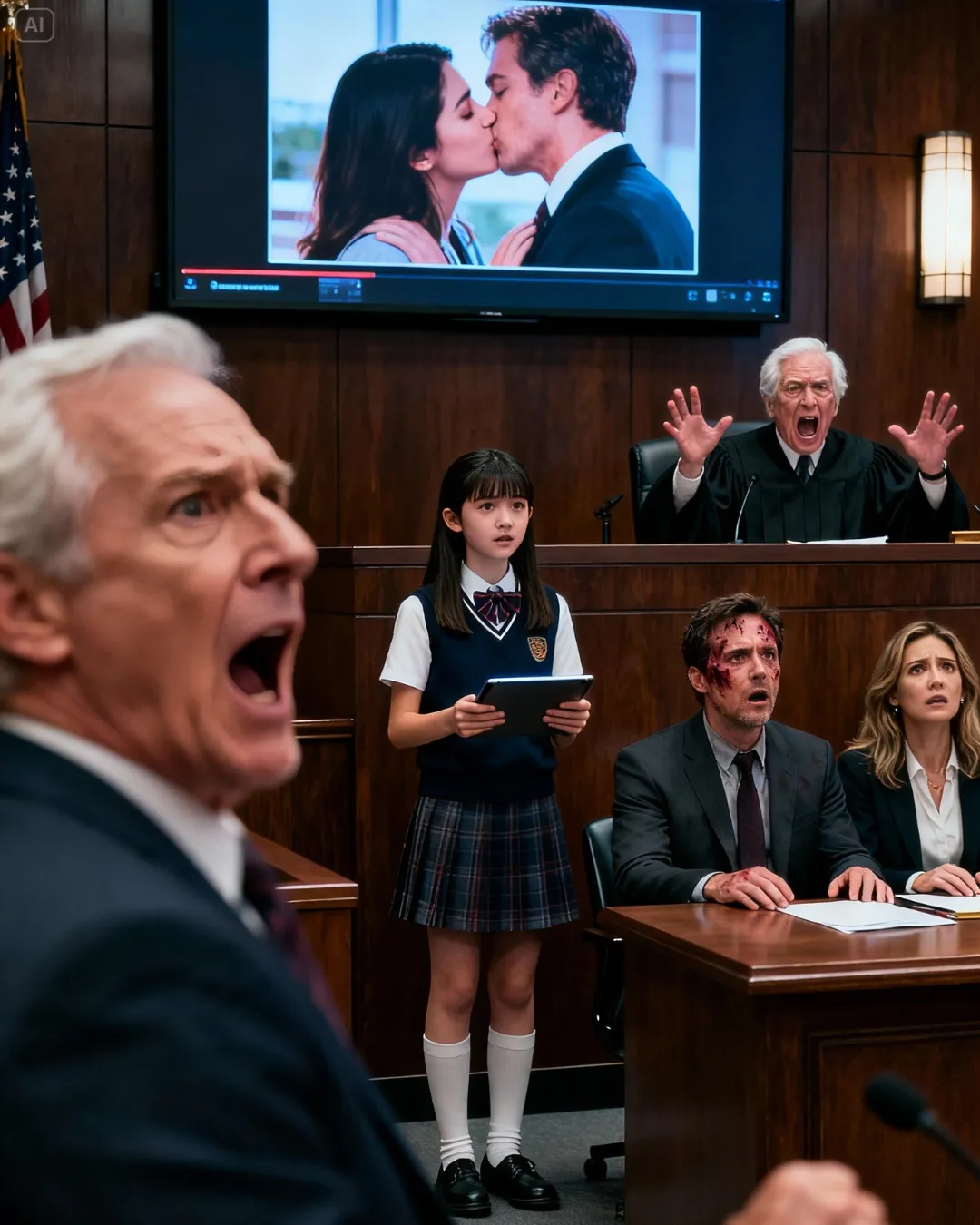
The filing papers arrived cold and formal, reducing our marriage to dates and signatures, while my heart struggled to understand how love could disappear so efficiently.
Michael claimed we had “grown apart,” repeating phrases that sounded rehearsed, as though someone else had written the script he now read from so convincingly.
I wanted explanations, not clichés, but every conversation ended with distance, avoidance, and that haunting sense that the truth was standing just outside my reach.
Our daughter Sophie noticed everything long before I did, watching the tension like a silent observer studying cracks in a glass slowly spreading.
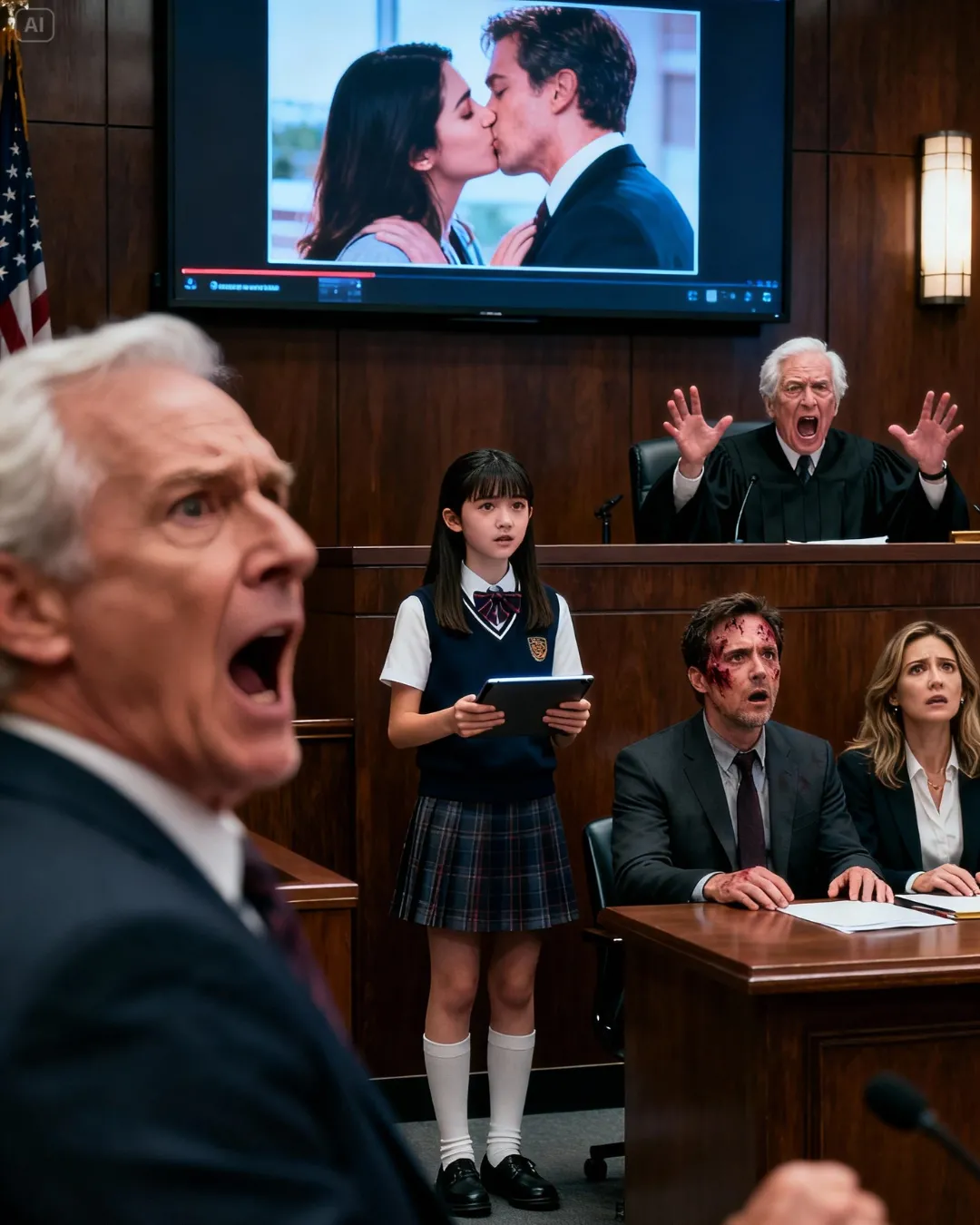
She never cried or complained, but her eyes followed every argument, every late night, every whispered phone call that Michael thought went unnoticed.
When the court date arrived, Sophie insisted on coming, her voice calm yet determined, as if she carried a responsibility far heavier than any ten-year-old should.
I hesitated, believing courtrooms were no place for children, unaware that she had already decided this was where the truth belonged.
Inside the courtroom, the air felt heavy with judgment, legal language echoing against wooden walls as our family story became public property.
Michael sat beside his lawyer, eyes fixed forward, avoiding me completely, as though eye contact might expose something he worked hard to conceal.
The judge spoke of custody, assets, and schedules, while my stomach twisted painfully, realizing how easily a life could be divided on paper.
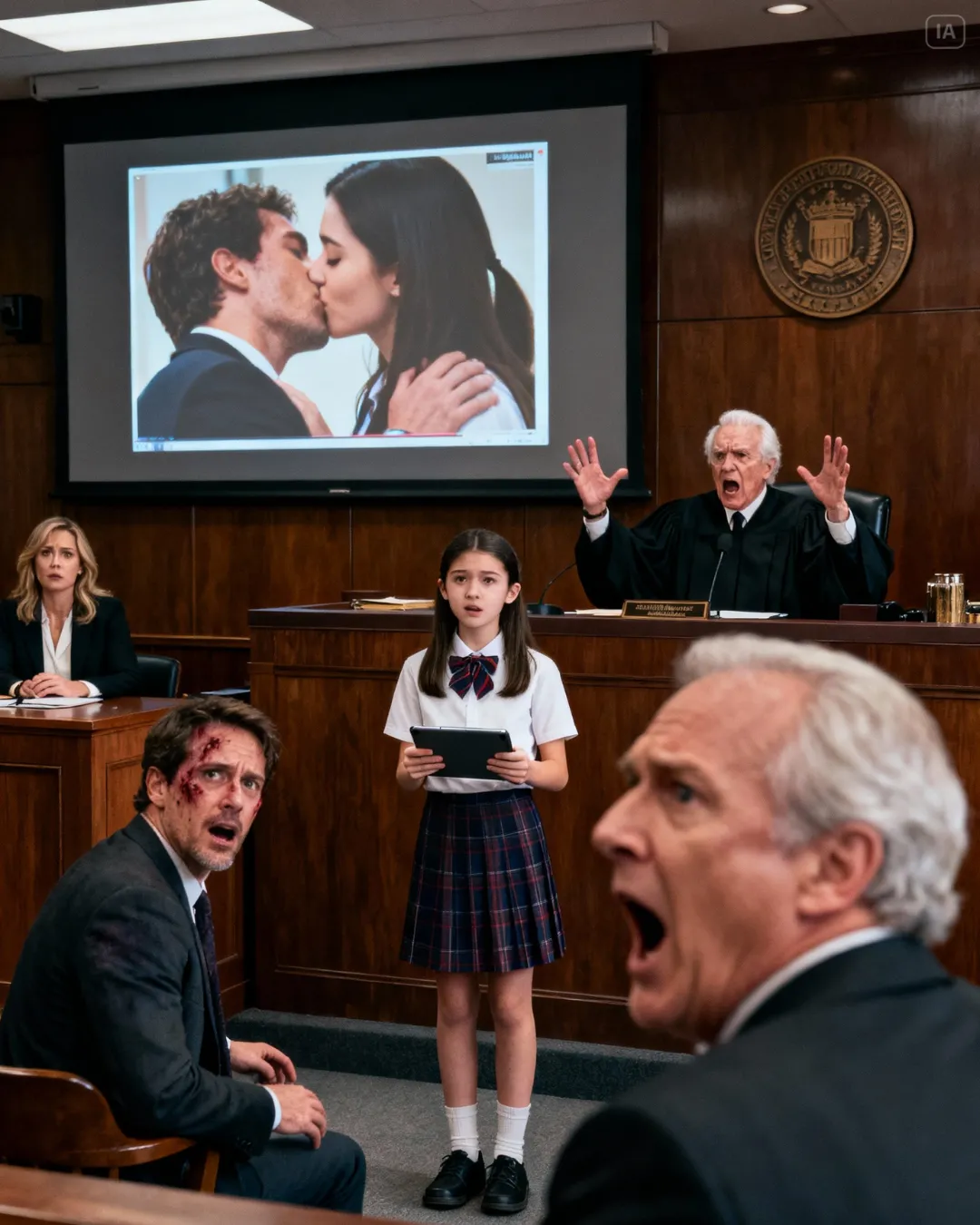
Then, unexpectedly, Sophie stood, her small frame drawing every eye in the room without effort or fear.
Her voice, steady and respectful, asked the question that would fracture the courtroom’s calm and ignite a chain reaction no one anticipated.
“May I show you something my mom doesn’t know about, Your Honor?” she asked, changing the atmosphere in seconds.
The judge hesitated briefly, clearly startled, then nodded, unaware he was authorizing a moment that would redefine the case entirely.
Sophie stepped forward holding a tablet, her hands firm, her expression serious, while my heart pounded with confusion and dread.
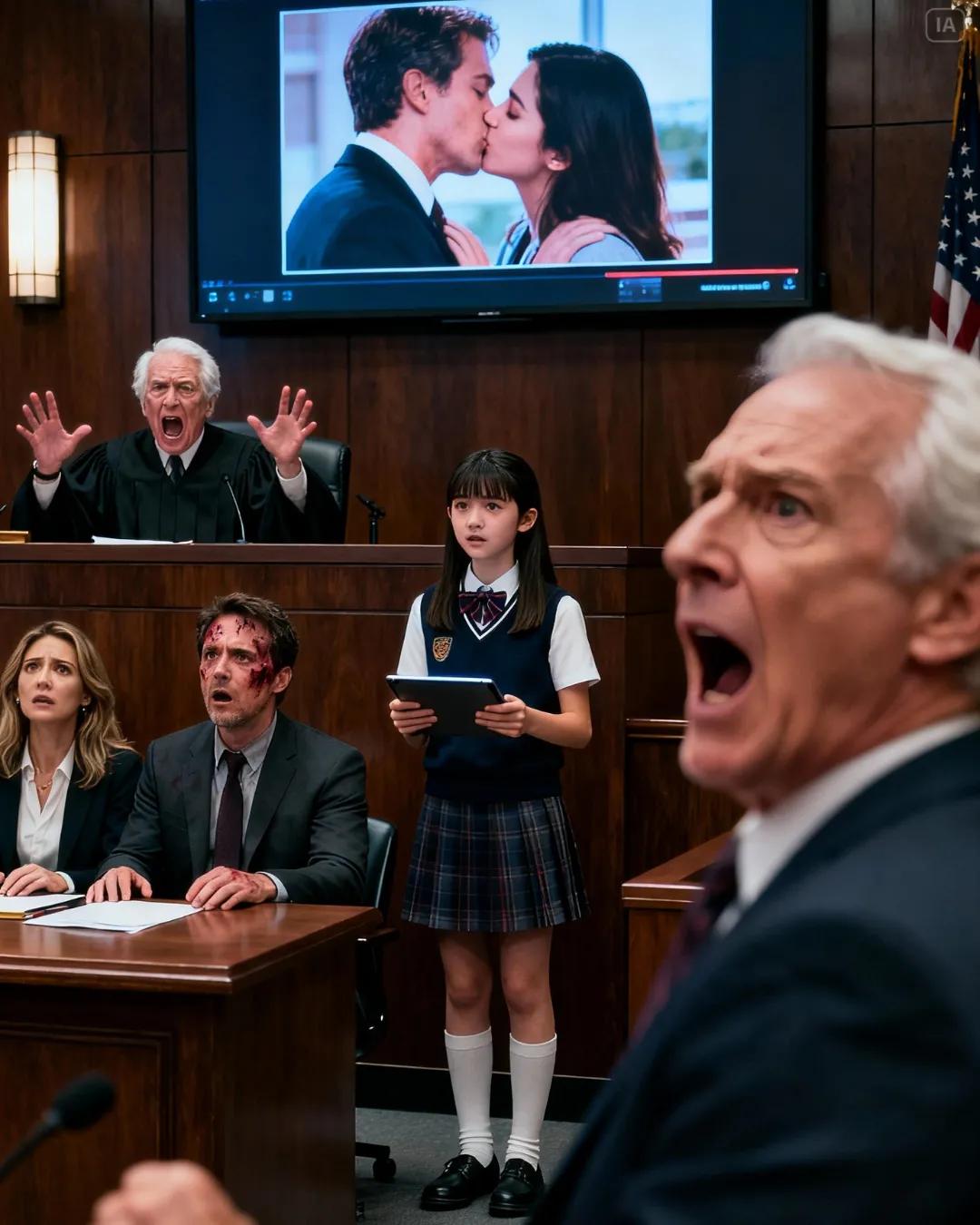
When the video began, the courtroom filled first with sound—laughter, whispers, familiar tones that made my chest tighten instantly.
Then the image appeared, unmistakable and devastating, revealing Michael in our living room with another woman, intimate and unashamed.
They kissed repeatedly, comfortably, as if betrayal had become routine rather than accidental, captured in undeniable clarity.
Silence consumed the room, thick and absolute, swallowing every breath, every movement, every assumption that had existed moments earlier.
Michael’s lawyer stopped mid-sentence, frozen between defense and disbelief, while Michael himself seemed unable to move or speak.
I felt my body go numb, as though time had paused to let the truth sink in without mercy.
The judge leaned forward slowly, eyes sharp, authority now mixed with visible concern and disappointment.
“Mr. Bennett,” he said firmly, “you will need to explain this,” shifting the balance of power instantly.
In that moment, the narrative Michael constructed collapsed, replaced by a truth delivered not by lawyers, but by a child.
Sophie had recorded the video months earlier, accidentally at first, then intentionally, sensing its importance even without understanding consequences.
She later explained she wanted the truth to matter somewhere, especially where lies could no longer survive unchecked.
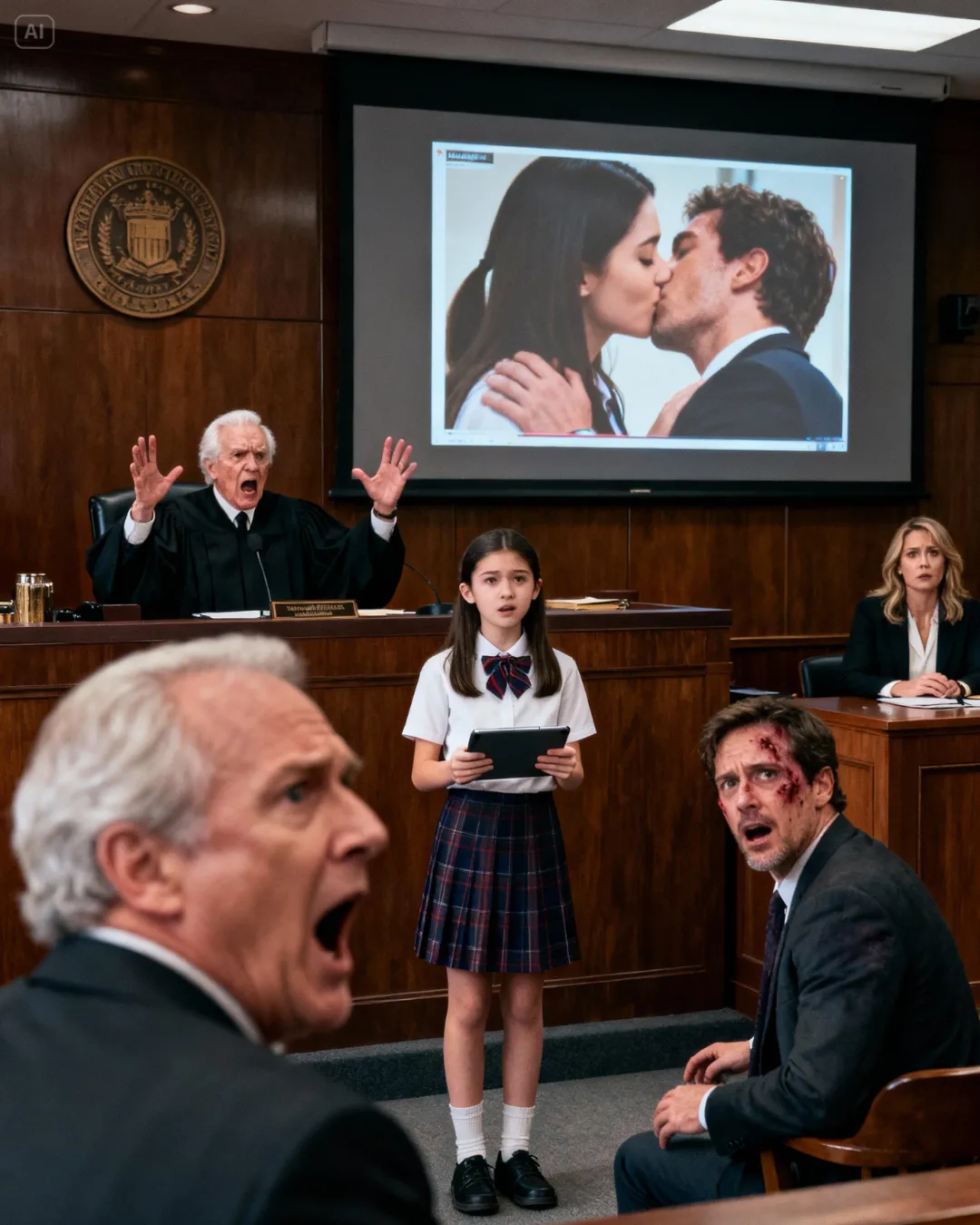
Her action sparked intense debate online after the story spread, with millions questioning morality, privacy, and the burden placed on children.
Some praised Sophie’s bravery, calling her a hero who defended her mother when the system might have failed to uncover the truth.
Others argued that children should never be involved in adult conflicts, warning of emotional scars and ethical boundaries crossed.
Legal experts debated whether such evidence should be admissible, while psychologists discussed the emotional intelligence children display when trust is broken.
Social media erupted with discussions about infidelity, accountability, and how often “work stress” hides uncomfortable realities.
The story resonated because it reflected a fear many silently share—the fear of being the last to know the truth in your own home.
For me, the pain was undeniable, but so was clarity, finally piercing years of doubt and self-blame.
The case outcome changed dramatically, but more importantly, the silence that protected betrayal was permanently broken.
Sophie reminded the world that truth does not require age, authority, or permission—only courage and timing.
And sometimes, the smallest voice in the room carries the heaviest truth, powerful enough to stop everything and force the world to listen.
In the days following the hearing, the video spread rapidly across social platforms, shared by strangers who saw their own fears reflected in that frozen courtroom moment.
Comments poured in by the thousands, many from women who confessed they too had ignored signs, choosing trust over instinct until proof arrived too late.
Others focused on Michael, debating whether public exposure was justice or humiliation, and whether betrayal deserved privacy once it entered a courtroom.
Some questioned the role of technology, asking how many hidden truths now live quietly inside phones, tablets, and cloud storage.
Family lawyers weighed in publicly, noting that emotional evidence often carries more impact than legal arguments ever could.
Child psychologists expressed concern, emphasizing that while Sophie’s action was powerful, it also revealed how deeply children absorb adult secrets.
Sophie later asked me a question that shattered me more than the video ever could.
“Mom,” she said softly, “did I do the right thing?”
I held her tightly, realizing there was no simple answer, only the truth that silence would have hurt us more.
Our story became a mirror society couldn’t look away from, forcing conversations about honesty, marriage, and the cost of pretending.
Many readers admitted the story made them reconsider their own relationships, their assumptions, and the stories they accept without question.
Some reached out to thank Sophie, saying her courage gave them strength to confront realities they had long avoided.
Others warned of a future where children become witnesses instead of children, growing up too fast in emotionally unsafe spaces.
The debate continues, unresolved and uncomfortable, because it touches something raw and universal.
Trust, once broken, never shatters quietly—it echoes, it spreads, and sometimes it arrives carried by the smallest hands.
And long after the courtroom emptied, one truth remained painfully clear.
When adults choose deception, children often pay the price—but sometimes, they also become the ones who end it.
Major Riker no alcanzó a terminar la risa, porque una voz cortó el comedor con la precisión de un cuchillo encontrando hueso, fría y exacta.-nana
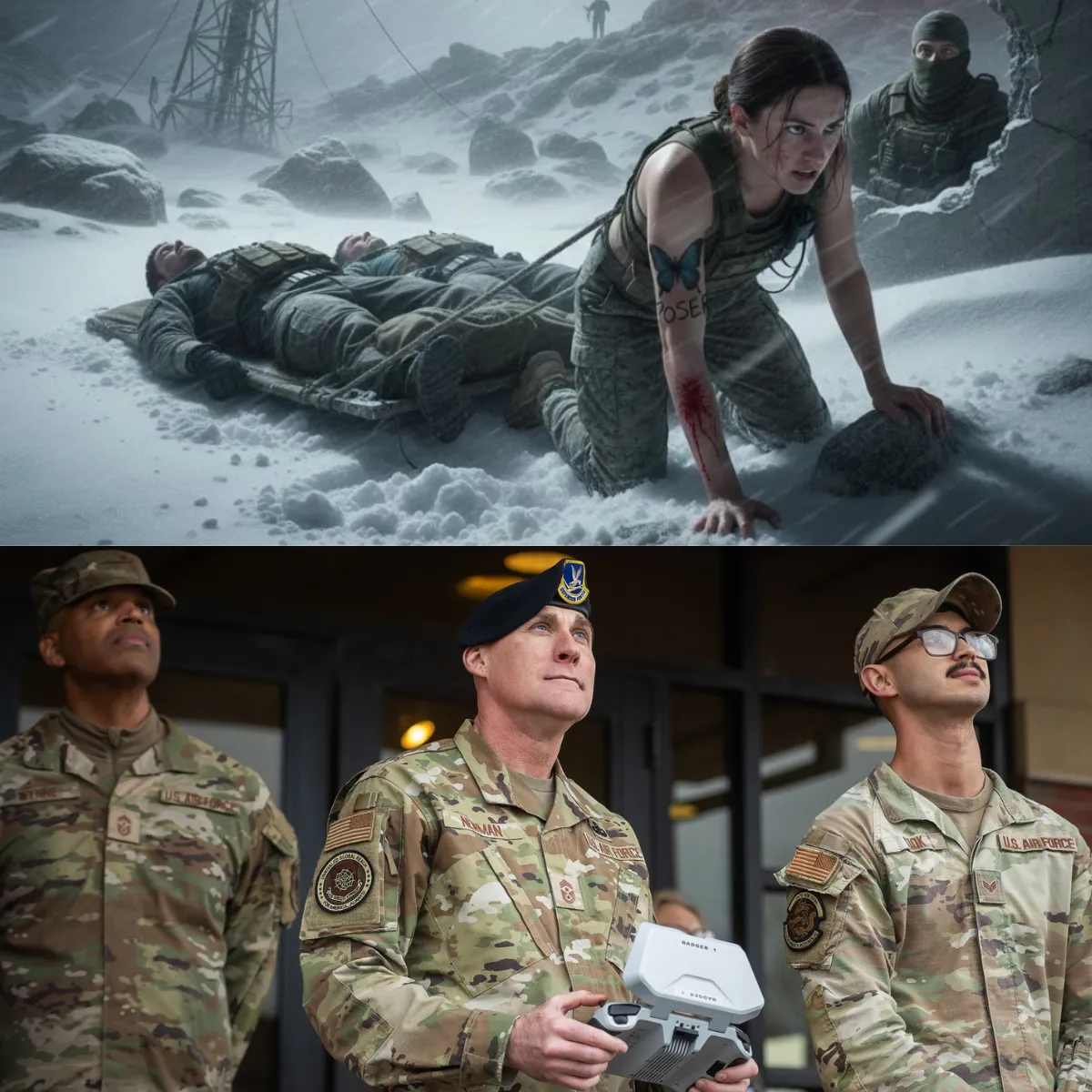
Major Riker no alcanzó a terminar la risa, porque una voz cortó el comedor con la precisión de un cuchillo encontrando hueso, fría y exacta.
“Ese comentario,” dijo la voz, “pertenece a un contenedor de