Every viral story begins with something small and ordinary, and in this house, it began with an eight-year-old girl whispering that her bed felt smaller every morning.
At first, the words sounded harmless, the kind of strange complaint children make when language fails to match dreams they barely remember after waking.
Her mother listened with a smile, confident in routines, convinced that independence was being built carefully, night after night, with kisses, stories, and closed doors.
Emily’s room was designed to feel safe, warm, and oversized, a space meant to swallow fear rather than create it.
A king-sized bed filled most of the room, chosen intentionally so no childhood nightmare could ever justify crawling back into a parent’s arms.
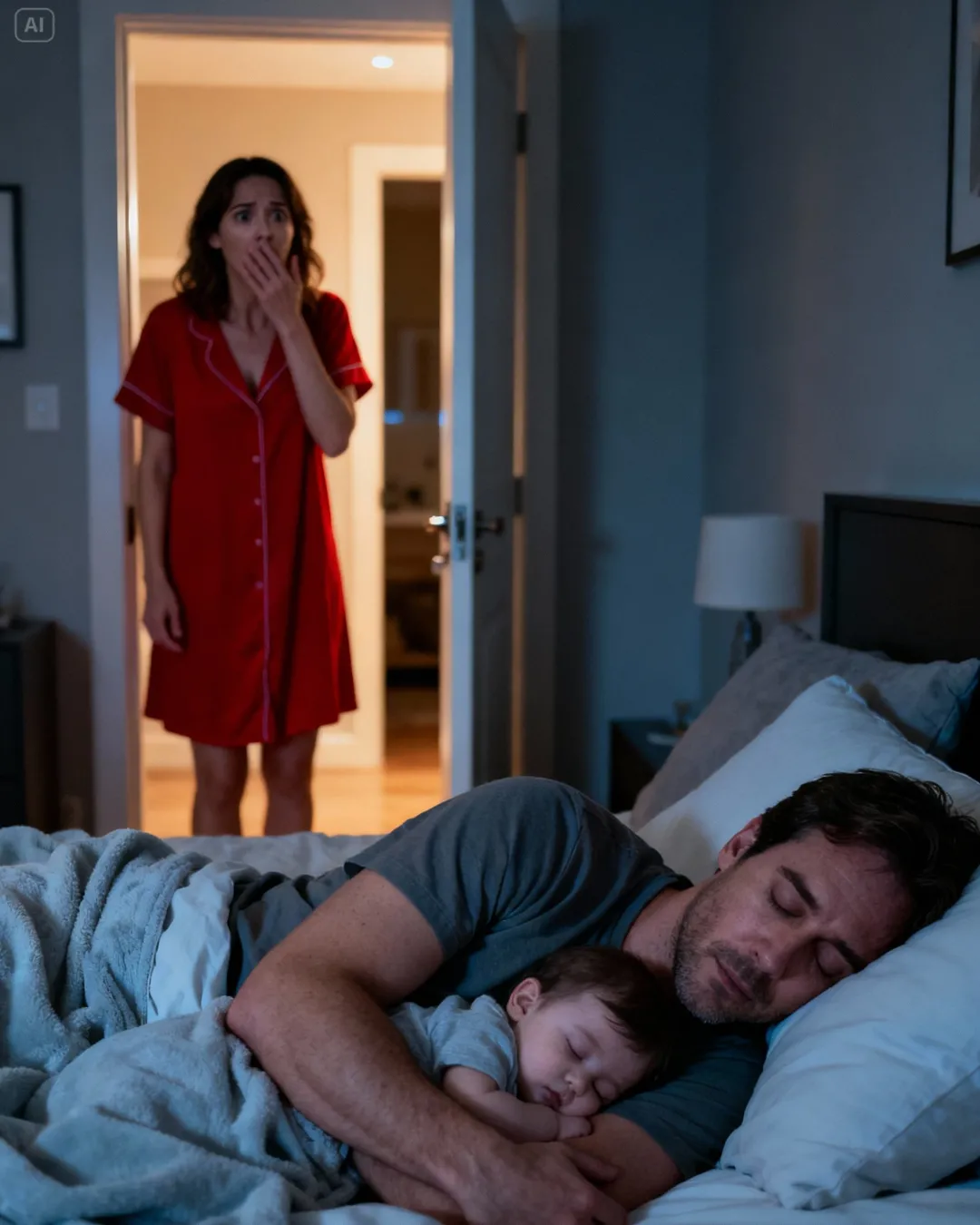
Books, toys, and stuffed animals stood guard like silent witnesses, their presence reassuring, familiar, and deeply normal.
For years, the routine worked flawlessly, reinforcing the belief that consistency is stronger than fear when it comes to children.
Then the complaints returned, not louder, not dramatic, but steady, repetitive, and disturbingly specific.
The bed felt tight.
The bed felt crowded.
The bed pushed her sideways in her sleep.
Each sentence landed heavier than the last, not because of what it claimed, but because of how calmly it was delivered.
Children exaggerate when they are excited, but they grow quiet when they are scared, and Emily’s voice had gone quiet.
The moment she asked whether her mother had been in the room overnight, something invisible shifted inside the house.
Fear did not arrive as panic, but as vigilance, the kind that makes a parent notice sounds, shadows, and silence differently.
Her husband dismissed it gently, the way tired adults often do when reality becomes inconvenient to question.
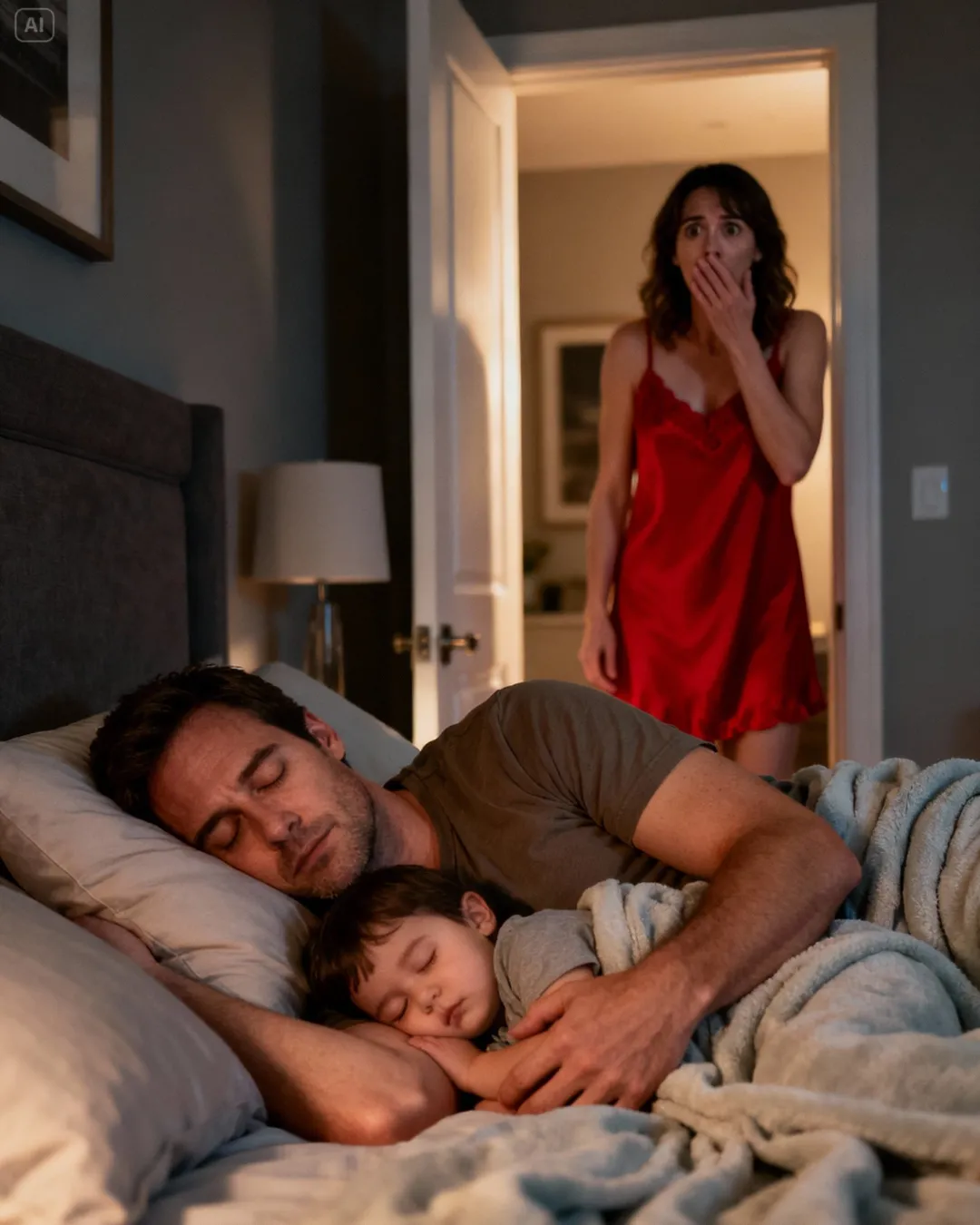
Safety was easier to believe than uncertainty, especially after long hospital shifts and endless responsibility elsewhere.
But motherhood rarely accepts easy answers, especially when instinct begins whispering louder than logic.
The camera was installed not as surveillance, but as reassurance, a digital promise that the night would prove harmless.
When Emily fell asleep quickly, the screen showed exactly what it should have shown, and relief briefly won.
For hours, the house slept in confidence, wrapped in the comfort of normality.
At two in the morning, confidence cracked quietly, without alarms, screams, or sudden motion.
The mother checked the camera casually, expecting confirmation, not confrontation.
What appeared on the screen did not move quickly, dramatically, or violently.
The mattress dipped slowly, subtly, as though responding to weight rather than imagination.
No figure appeared, no shape formed, no shadow crossed the room.
The absence of visibility made the moment unbearable, because something unseen was still capable of pressure.
Emily shifted instinctively, her small body reacting exactly as she had described for days.
This alignment between testimony and evidence shattered the final wall of denial.
Parents are taught to trust data, science, and rational explanations, yet this moment offered none that fit cleanly.
The nightlight glowed softly, mocking the idea that darkness is required for fear to exist.
Everything looked normal, except the part that mattered most.
The empty space was not empty.
Silence, once comforting, became accusatory, as if the room itself had been waiting to be noticed.
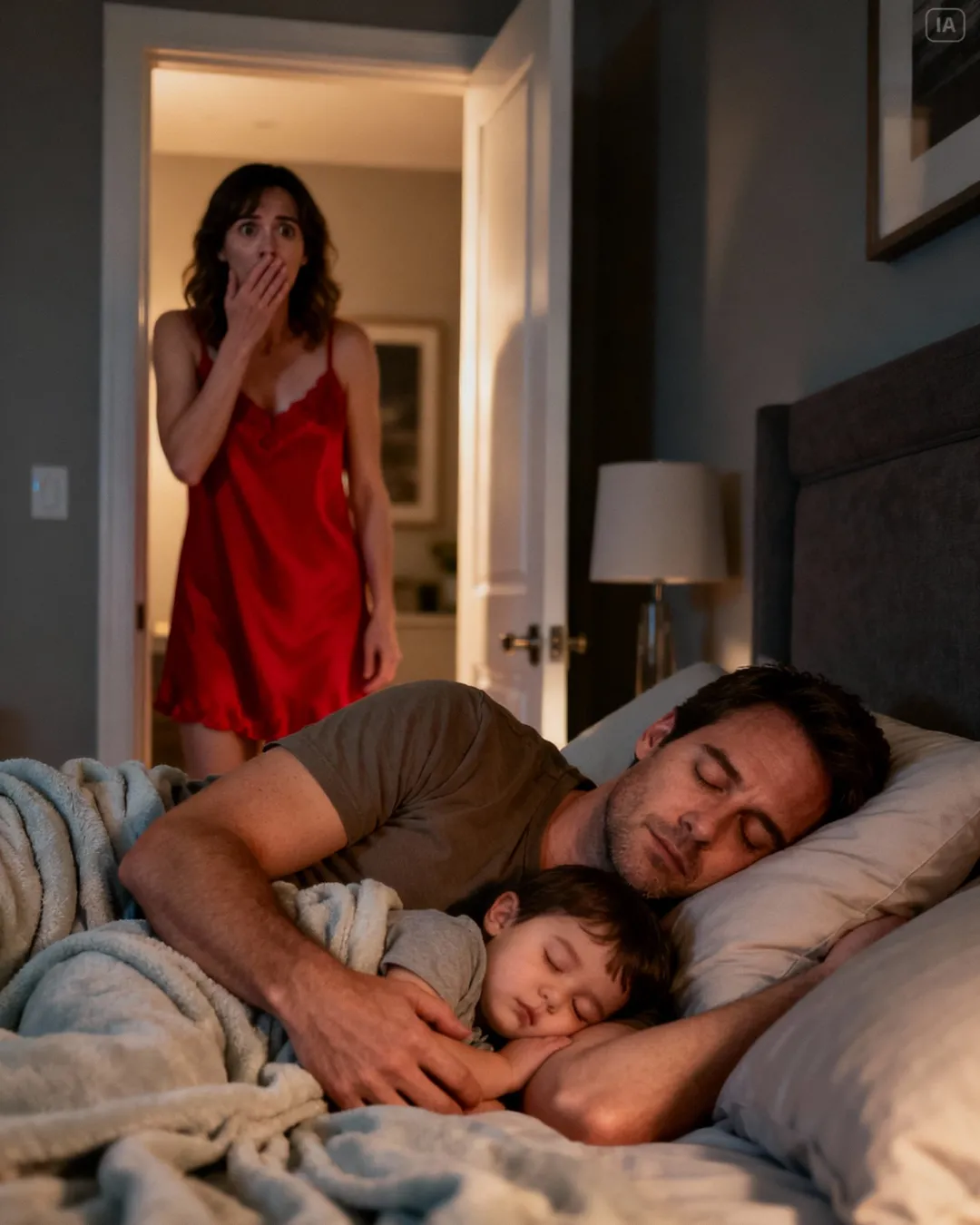
By morning, the story no longer belonged solely to one family, because moments like this demand witnesses beyond walls.
Shared online, the account ignited debate, disbelief, skepticism, and solidarity in equal measure.
Some called it paranoia, others called it proof, and many saw themselves reflected in the unease.
Parents argued fiercely over imagination versus instinct, science versus experience, comfort versus caution.
Experts weighed in with theories, while survivors shared stories eerily similar, long buried, rarely believed.
What made the story spread was not the supernatural implication, but the emotional precision of the details.
The bed did not feel haunted.
It felt occupied.
That distinction mattered more than any explanation.
The camera did not reveal a monster, but it exposed how fragile certainty becomes when a child’s fear aligns with physical reality.
In the end, the most disturbing realization was not about what might have been in the room.
It was about how easily adults dismiss discomfort until proof forces them to listen.
Emily’s bed was never too small by design.
It became too small because something else made space for itself.
And once space is taken in the dark, it is never given back quietly.
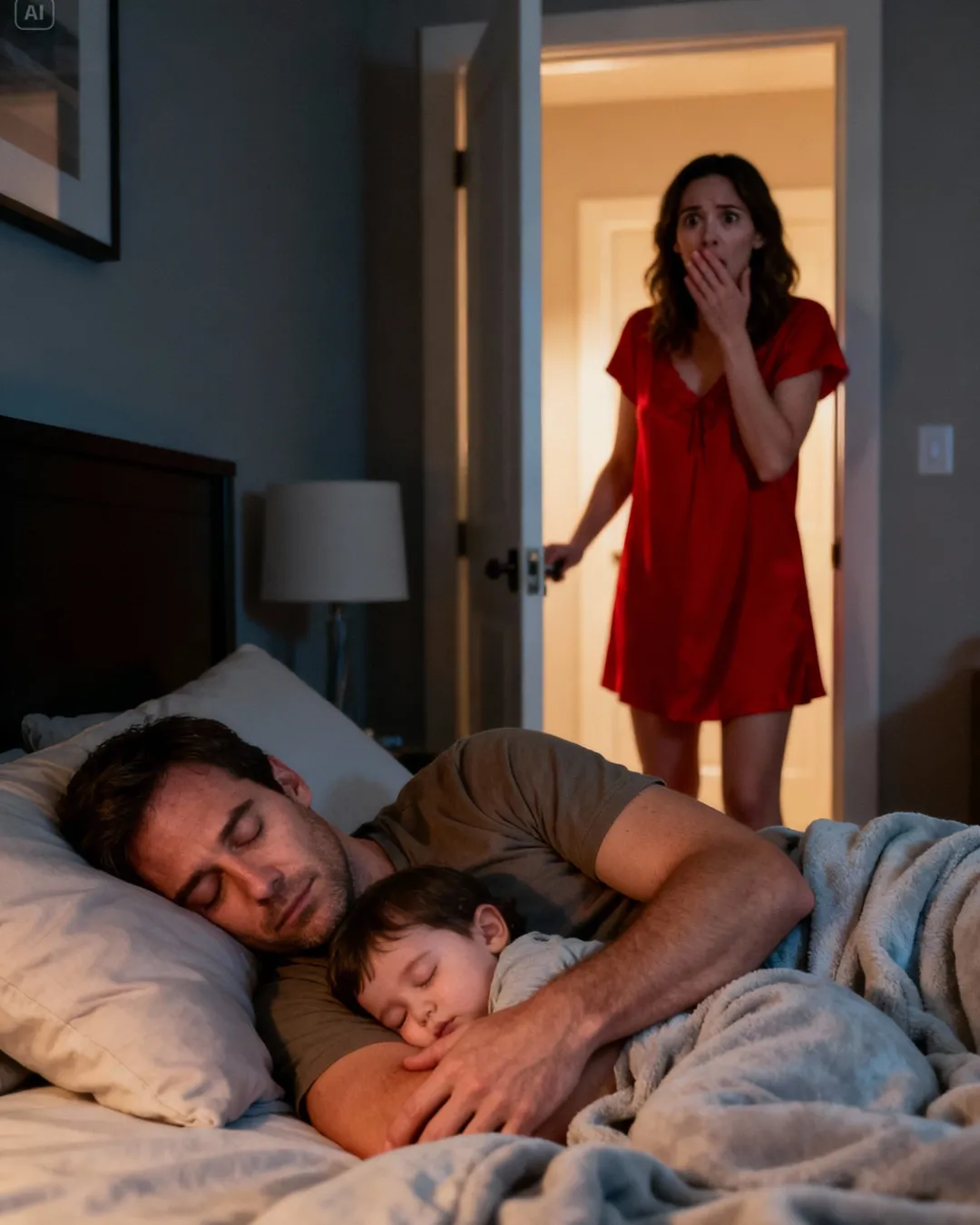
After the video spread, commenters stopped arguing about ghosts and began arguing about belief, about why parents are trained to doubt children before doubting the world built to protect them.
Psychologists explained night terrors, engineers explained mattress physics, skeptics explained algorithms, yet none could explain why the dip appeared only after the child fell deeply asleep.
What unsettled viewers most was not the unexplained movement, but the patience of it, as if whatever pressed beside her understood routines better than fear.
Late-night forums filled with similar accounts, parents describing children who complained of shrinking beds, invisible pressure, or waking at edges they never chose.
Many admitted they had dismissed those stories years ago, laughing them off until watching this footage made denial feel irresponsible rather than rational.
The camera did not scream, glitch, or distort, and that quiet consistency made the moment harder to escape or explain away.
Experts warned against hysteria, reminding audiences how easily fear spreads when uncertainty meets parental instinct.
Parents responded that instinct exists precisely because not everything dangerous announces itself loudly or logically.
The mother eventually removed Emily from the room, choosing disruption over doubt, safety over pride, and closeness over the philosophy of forced independence.
That decision sparked another debate, with critics accusing her of reinforcing fear instead of confronting it.
Others defended the choice, arguing that protection is not weakness, and listening is not surrender.
Emily stopped saying the bed felt small, but she never asked to return to that room.
The camera remains unplugged now, sitting in a drawer, because some evidence answers questions while creating heavier ones.
What lingers is not certainty, but awareness, the kind that forces adults to reconsider how often they prioritize comfort over attention.
The story endures because it offers no monster, no resolution, and no lesson neat enough to dismiss before bedtime.
“THE TIME BOMB IS TICKING — AND THIS TIME, IT’S NOT JUST HER STORY.” – BICHNHU

Yesterday, a federal judge unsealed a 2016 deposition clip no one knew existed:
Virginia Giuffre, pale and shaking, leans into the camera and says in a voice barely above a whisper, “If I die suddenly, play this tape. I’m naming exactly who will have killed me, and exactly why.”