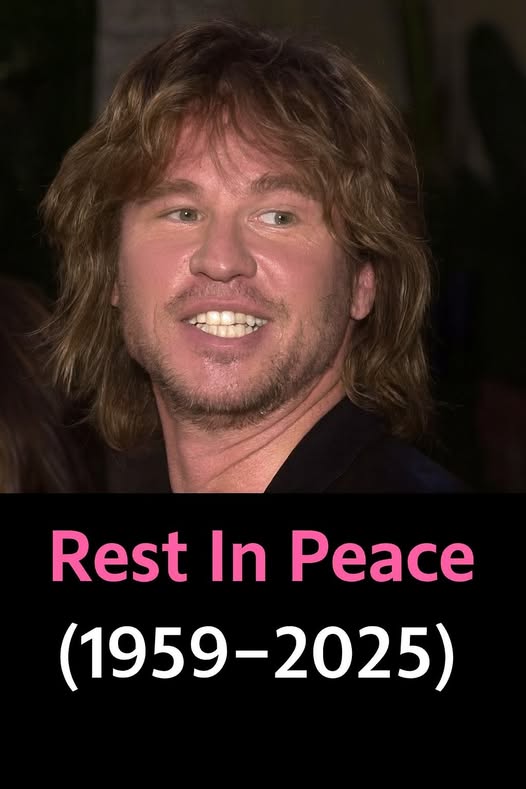
The music world is mourning the loss of Lou Christie, the dazzling falsetto‑voiced singer whose songs defined a generation.
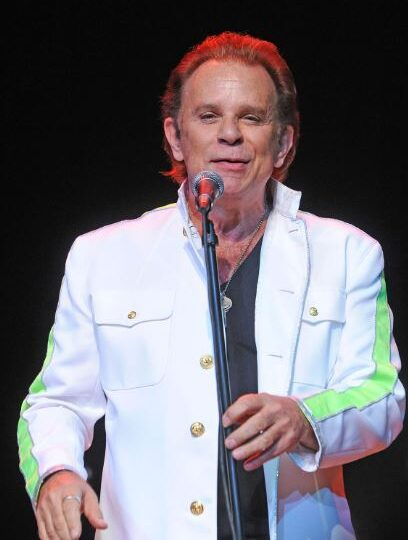
His early exposure to doo‑wop and pop harmonies laid the foundation for his signature vocal style.
By the early 1960s, he started recording under various small labels in Pennsylvania.
His first national breakthrough came with the 1962 single The Gypsy Cried, a song that showcased his soaring vocal range and emotional delivery — traits that would define his career.
Soon after, his 1963 hit Two Faces Have I reached No. 6 on the Billboard Hot 100, cementing his status as a teenage pop idol and catching the attention of a broader audience.
At a young age, Lou Christie demonstrated the rare ability to combine vocal acrobatics with raw emotion — an ability that would soon propel him to greater heights.
The year 1966 proved to be Lou Christie’s defining moment.
That February, his single Lightnin’ Strikes soared to No. 1 on the Billboard Hot 100 — a meteoric rise that made him a household name almost overnight.
“Lightnin’ Strikes” was more than just a hit — it captured the youthful energy, romance, and drama of the mid‑1960s, blending pop sensibilities with emotional intensity.
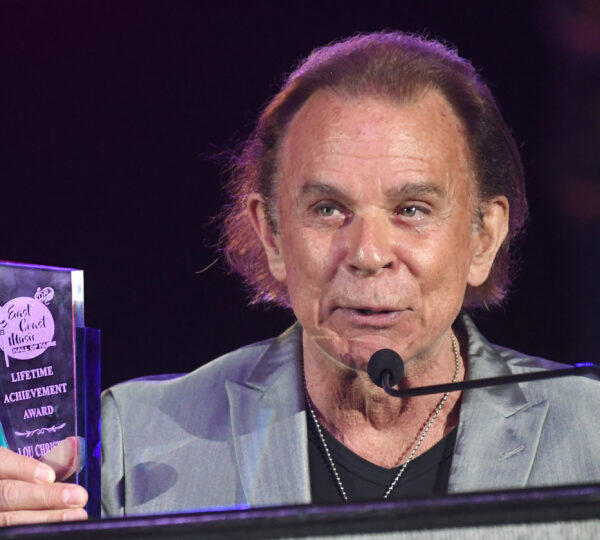
His operatic falsetto, dynamic phrasing, and passionate delivery made listeners sit up and take notice.
Critics and fans alike recognized that Christie wasn’t merely another “pop singer” but something rarer: a vocalist with a distinctive voice and a gift for storytelling through song.
That same year, Christie released Rhapsody in the Rain, a track that reached the Top 20.
The song, controversial for its suggestive lyrics at the time, stirred both admiration and controversy — but also underscored Christie’s willingness to push artistic boundaries and evoke strong emotion.
In the years that followed, songs such as I’m Gonna Make You Mine (1969) added to his catalog of hits and showcased his enduring ability to adapt to changing musical tastes.
Through it all, Christie proved that his talent extended beyond his falsetto — he was also a songwriter, often collaborating with longtime writing partner Twyla Herbert, crafting songs with heartfelt lyrics and memorable melodies that resonated with listeners across generations.
Life Beyond the Charts — Career Resilience and Artistic Integrity
As with many artists, Christie’s journey had its ups and downs.
The late 1960s and early 1970s brought shifts in popular music, record‑label changes, and evolving audience tastes.
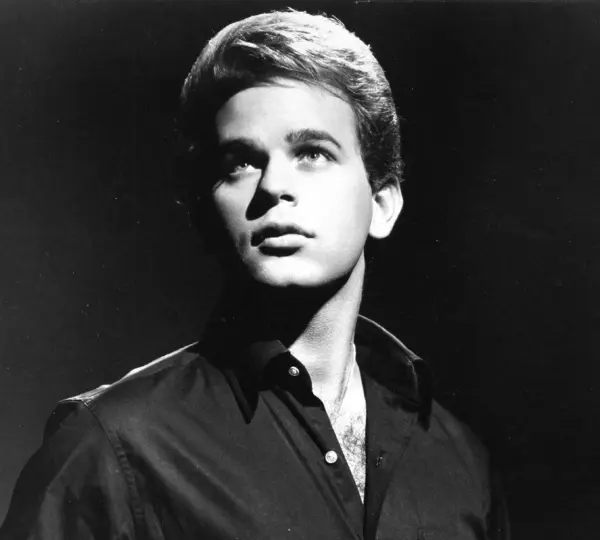
Yet Christie refused to be boxed in. He explored new sounds, experimented with production styles, and continued recording.
He also spent time abroad — splitting parts of his life between the United States and the UK, even marrying former UK beauty queen Francesca Winfield in 1971.
Though chart‑topping hits became rarer, Christie’s voice remained unmistakable.
He never abandoned his artistry — sometimes returning with new material, sometimes performing live for loyal fans, yet always maintaining a genuine love for music.
In later decades, he remained active — on nostalgia tours, oldies‑music circuits, and radio specials — proving that his music still held meaning for audiences who grew up with it, and for new listeners discovering it afresh.
The Final Notes — Death, Tributes & a Legacy That Lives On
On June 17, 2025, at age 82, Lou Christie passed away at his home in Pittsburgh after a brief illness, as confirmed by his wife, Francesca.
The announcement of his death triggered an immediate outpouring of grief and tributes.
In a message shared by the family, they expressed deep sorrow and emphasized how much he was loved — not only by close family and friends, but by “countless fans around the world whose lives he touched” with his music, kindness, and generosity.
Fellow musicians, fans, and admirers took to social media and public forums to remember Christie — many recalling the first time they heard “Lightnin’ Strikes” on the radio, dancing in their bedrooms, or holding hands with their first loves.
Others spoke of his falsetto as “unmistakable,” “haunting,” or “magical,” calling him one of the finest voices of his generation.
Even published obituaries and tributes described his passing as “the end of an era.”
According to a retrospective on his career: Christie was “more than just a teen idol” — he was “one of the decades’ first singer‑songwriters,” an artist whose songs bridged pop, doo‑wop, and storytelling, and whose impact would echo long after his final performance.
Christie is survived by his wife, Francesca, their daughter Bianca, and a legacy of songs that continue to be played on radio stations, streaming services, and in homes around the world.
Why Lou Christie Still Matters — The Enduring Power of a Unique Voice
A Vocal Style That Defined an Era
Lou Christie’s falsetto wasn’t just a gimmick — it was a tool of emotional expression. In songs like “Lightnin’ Strikes,” he captured the urgency, passion, and drama of love and longing in a way few other singers could.